
Are you wondering why you should file ISF for plastic & rubber machinery parts? Let’s break it down for you in this comprehensive guide. Whether you’re a manufacturer, importer, or distributor in the industry, understanding the importance of filing ISF can save you time, money, and potential hassle. Let’s dive into the details together.

What is ISF and Why is it Important?
ISF, or Importer Security Filing, is a U.S. Customs and Border Protection (CBP) regulation that requires importers to provide certain information about their goods before they are shipped to the United States. This regulation applies to all containers entering the U.S. by sea and aims to enhance CBP’s ability to identify high-risk shipments.
Why is ISF important for plastic & rubber machinery parts?
Filing ISF for plastic & rubber machinery parts is crucial for several reasons. First and foremost, it helps CBP to assess the security risk of your shipment before it reaches U.S. ports. By providing detailed information about your goods in advance, you’re demonstrating compliance with CBP regulations and minimizing the potential for delays or penalties.
What Information is Required for ISF Filing?
When filing ISF for plastic & rubber machinery parts, you’ll need to provide specific details about your shipment. This information includes, but is not limited to, the following:
Manufacturer and Supplier Details
You’ll need to provide the name and address of the manufacturer of the machinery parts, as well as the supplier’s contact information. This helps CBP to verify the legitimacy of the goods being imported.
Description of Goods
A detailed description of the plastic & rubber machinery parts is required for ISF filing. This includes information such as the material composition, dimensions, weight, and intended use of the parts.
Harmonized Tariff Schedule (HTS) Code
Each plastic & rubber machinery part is classified under a specific HTS code, which determines the duty rates and regulatory requirements for importation. Accurately identifying the HTS code is crucial for ISF filing.
Container Stuffing Location
You’ll need to provide the name and address of the facility where the goods are being loaded into the container. This information helps CBP to track the movement of your shipment.
Vessel Voyage Details
Details about the vessel carrying your shipment, including the name, voyage number, and estimated arrival date, are required for ISF filing. This information allows CBP to coordinate the release of goods upon arrival.
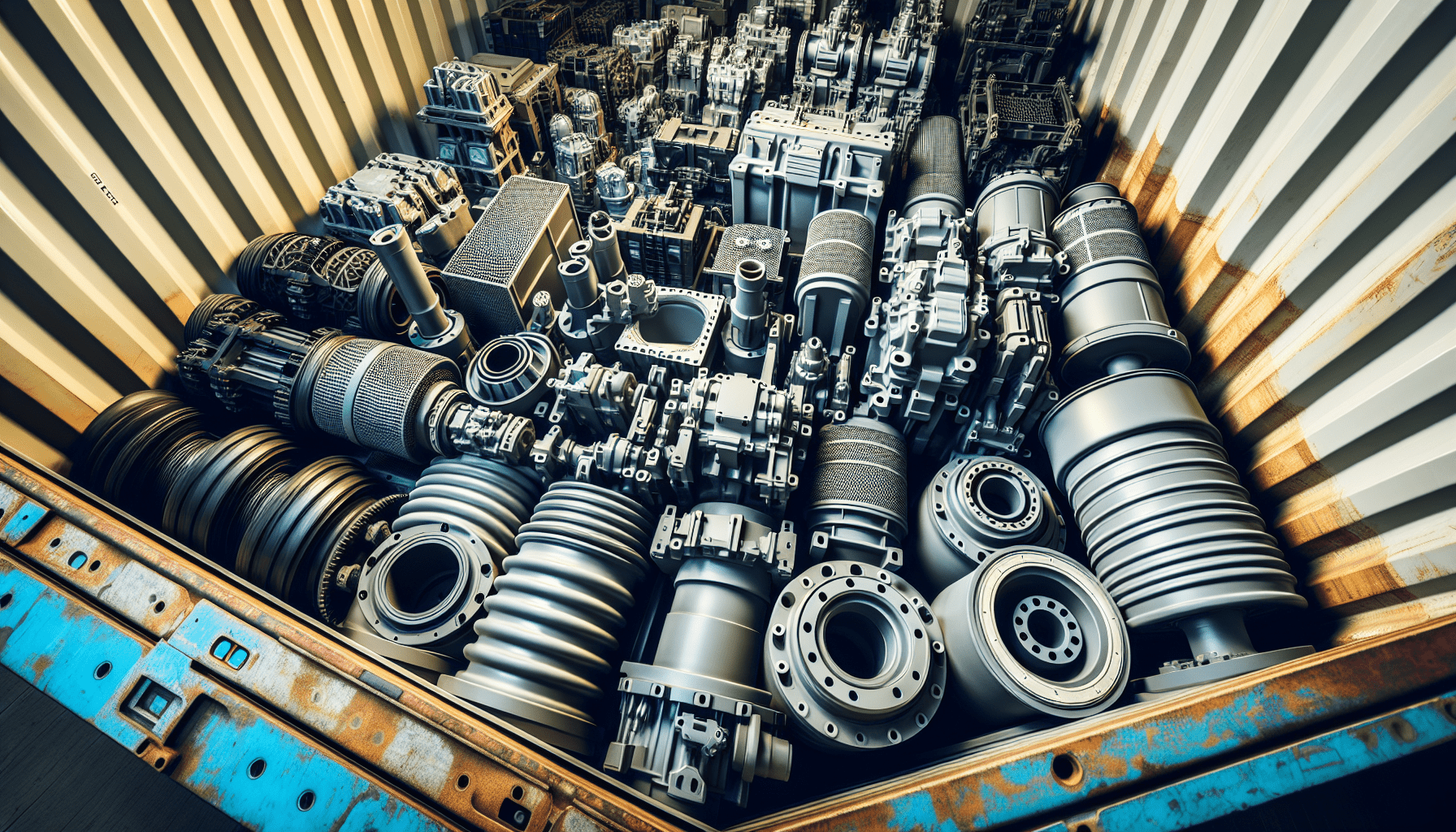
How to File ISF for Plastic & Rubber Machinery Parts
Now that you understand the importance of ISF filing and the information required, let’s walk you through the process of filing ISF for plastic & rubber machinery parts.
Step 1: Obtain an Importer Security Filing (ISF) Bond
Before you can file ISF for your plastic & rubber machinery parts, you’ll need to obtain an ISF bond from a Customs Bonded Broker or surety company. The bond serves as a guarantee to CBP that you will comply with ISF regulations.
Step 2: Gather Required Information
Collect all the necessary information for ISF filing, including manufacturer details, goods description, HTS code, container stuffing location, and vessel voyage details. Make sure that the information is accurate and up-to-date.
Step 3: Submit ISF Filing
Once you have all the required information, you can submit your ISF filing through CBP’s Automated Broker Interface (ABI) system or through a third-party service provider. Ensure that the filing is done at least 24 hours before the goods are loaded onto the vessel.
Step 4: Monitor Your Shipment
After filing ISF for your plastic & rubber machinery parts, monitor the movement of your shipment to ensure that it arrives at the designated U.S. port without any issues. Keep track of any notifications or requests from CBP regarding your ISF filing.
Benefits of Filing ISF for Plastic & Rubber Machinery Parts
Filing ISF for plastic & rubber machinery parts offers several benefits for importers in the industry. Let’s take a closer look at some of the advantages of complying with ISF regulations.
Avoid Penalties and Delays
By filing ISF for your plastic & rubber machinery parts in a timely and accurate manner, you can avoid penalties and delays at U.S. ports. CBP may impose fines or hold your shipment if ISF requirements are not met, leading to costly consequences.
Expedite Customs Clearance
Filing ISF helps to expedite the customs clearance process for your plastic & rubber machinery parts. CBP can review the information provided in advance, allowing for faster clearance and release of your goods upon arrival.
Enhance Security Measures
ISF filing plays a crucial role in enhancing security measures for imported goods. By providing detailed information about your plastic & rubber machinery parts, CBP can better assess the risk associated with your shipment and take appropriate measures to ensure safety.
Build Trust with CBP
Compliance with ISF regulations demonstrates your commitment to following CBP rules and regulations. By filing ISF for your plastic & rubber machinery parts, you can build trust with CBP and establish a positive relationship with customs authorities.
Common Mistakes to Avoid When Filing ISF
While filing ISF for plastic & rubber machinery parts is essential, it’s crucial to avoid common mistakes that could lead to penalties or delays. Here are some common errors to watch out for:
Incorrect Information
Providing inaccurate or incomplete information in your ISF filing can result in penalties from CBP. Make sure to double-check all details before submitting your ISF to avoid errors.
Late Filing
Filing ISF less than 24 hours before your goods are loaded onto the vessel can lead to delays and fines. Plan ahead and submit your ISF in a timely manner to avoid any issues.
Failure to Update Information
If there are any changes to the information provided in your ISF filing, notify CBP immediately. Failure to update details such as vessel voyage information can result in penalties.
Non-Compliance with HTS Codes
Accurately classifying your plastic & rubber machinery parts under the correct HTS code is crucial. Using the wrong code can lead to duty rate discrepancies and regulatory violations.
Conclusion
Filing ISF for your plastic & rubber machinery parts is a critical step in ensuring compliance with CBP regulations and expediting the customs clearance process. By providing accurate and timely information about your goods, you can avoid penalties, delays, and security risks associated with non-compliance.
Whether you’re a seasoned importer or new to the industry, understanding the importance of ISF filing can help you navigate the complexities of importing plastic & rubber machinery parts with ease. Take the time to familiarize yourself with ISF requirements and make sure to file your ISF in advance to enjoy a smoother importing experience.
Comments