
Are You Importing Plyo Boxes?
So you’ve decided to import plyo boxes for your gym or fitness facility. Plyo boxes are a great addition to any workout routine, offering a versatile way to incorporate plyometric exercises into your training. But before your plyo boxes can make their way to you, there are a few things you need to consider when it comes to filing an Importer Security Filing (ISF) for your shipment.
What is an ISF?
Let’s start with the basics – what exactly is an Importer Security Filing? Also known as a 10+2 filing, an ISF is a document that must be filed with U.S. Customs and Border Protection (CBP) at least 24 hours before your shipment is loaded onto a vessel bound for the United States. The purpose of the ISF is to provide CBP with advance information about the contents of your shipment, helping to enhance security and facilitate the smooth flow of goods into the country.
Do You Need to File an ISF for Plyo Boxes?
Now that you know what an ISF is, the next question is – do you actually need to file one for your plyo boxes? The short answer is yes. ISF filings are required for all shipments entering the United States by ocean vessel, regardless of the size or value of the shipment. This means that if you are importing plyo boxes from overseas, you will need to file an ISF to comply with CBP regulations.
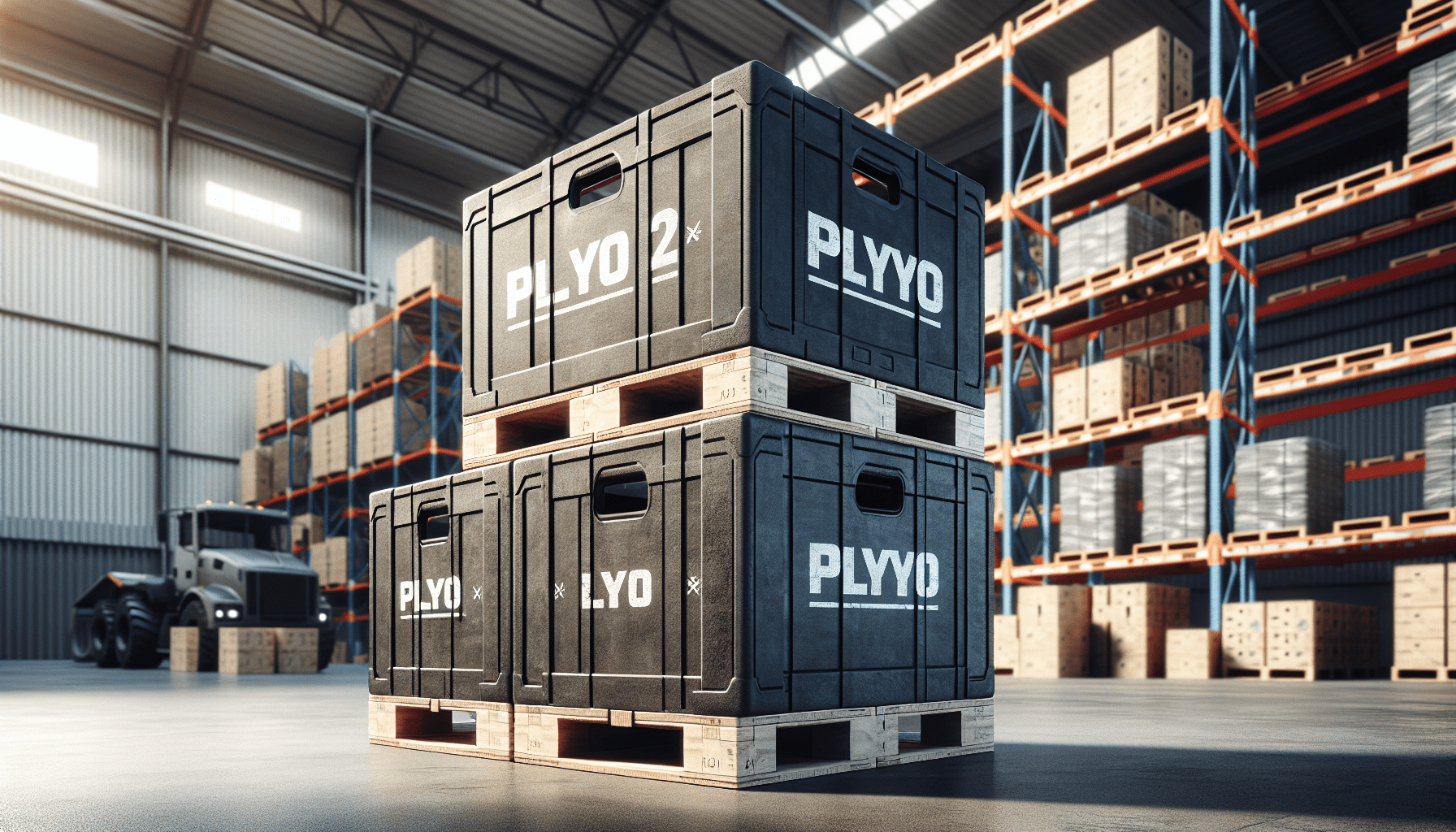
When to File ISF for Plyo Boxes
Timing is Key
One of the most important things to consider when filing an ISF for your plyo boxes is timing. As mentioned earlier, the ISF must be filed with CBP at least 24 hours before your shipment is loaded onto a vessel. This means that you need to make sure that all the necessary information for your ISF is submitted well in advance of your shipment’s departure to avoid any delays or penalties.
Filing the ISF Yourself vs. Using a Customs Broker
When it comes to filing an ISF for your plyo boxes, you have two options – you can either file the ISF yourself or you can enlist the help of a licensed customs broker to handle the process for you. While filing the ISF yourself may seem like a cost-effective option, it can be a complicated and time-consuming process that requires a good understanding of CBP regulations. Using a customs broker, on the other hand, can save you time and hassle, ensuring that your ISF is filed correctly and on time.
Information Required for ISF Filing
What You Need to Know
When filing an ISF for your plyo boxes, there is certain information that you will need to provide to CBP. This includes details about the importer of record, the seller or supplier of the goods, the manufacturer of the goods, the buyer or owner of the goods, and the container stuffing location. You will also need to provide a general description of the goods, the Harmonized Tariff Schedule (HTS) code for the goods, and the country of origin for the goods.
Why Accuracy is Important
It is crucial that the information you provide in your ISF is accurate and up to date. Inaccurate or missing information can lead to delays in the clearance of your shipment, as well as additional fees and penalties imposed by CBP. By ensuring that your ISF is complete and accurate, you can help to ensure a smooth and seamless import process for your plyo boxes.

Common Mistakes to Avoid
Missing the Deadline
One of the most common mistakes that importers make when filing an ISF for their plyo boxes is missing the filing deadline. As mentioned earlier, the ISF must be filed with CBP at least 24 hours before your shipment is loaded onto a vessel. Failure to meet this deadline can result in penalties of up to $5,000 per violation, so it is essential that you make sure your ISF is filed on time.
Providing Incomplete or Inaccurate Information
Another common mistake to avoid when filing an ISF for your plyo boxes is providing incomplete or inaccurate information. Make sure that you double-check all the information you provide in your ISF, including the importer of record, seller or supplier details, and container stuffing location. By ensuring that all the information in your ISF is accurate and up to date, you can help to prevent any delays or issues with the clearance of your shipment.
Penalties for Non-Compliance
Understanding the Consequences
Failing to file an ISF for your plyo boxes or filing an ISF with incorrect or incomplete information can have serious consequences. CBP can impose penalties of up to $5,000 per violation for non-compliance with ISF regulations, as well as take enforcement action against the importer of record. In addition to financial penalties, non-compliance with ISF regulations can also result in delays in the clearance of your shipment and impact your relationship with CBP.
Avoiding Penalties
To avoid penalties for non-compliance with ISF regulations, it is essential that you make sure to file your ISF on time and provide accurate and complete information. If you are unsure about how to file an ISF for your plyo boxes or have questions about the process, it is a good idea to consult with a licensed customs broker who can help you navigate the requirements and ensure that your ISF is filed correctly.
Conclusion
Filing an ISF for your plyo boxes is an essential step in the import process that should not be overlooked. By understanding when and how to file an ISF, as well as the information required and common mistakes to avoid, you can help ensure a smooth and seamless import process for your plyo boxes. Remember, accuracy and timing are key when it comes to filing an ISF, so make sure to double-check all the information you provide and file your ISF well in advance of your shipment’s departure. If you are ever unsure about the ISF filing process, don’t hesitate to seek the help of a licensed customs broker who can guide you through the process and help you avoid costly penalties for non-compliance.
Comments