
Are Shelf Grip Liners Subject to ISF Filing?
So you’ve decided to import some shelf grip liners for your latest project, but you’re not sure if they are subject to ISF filing. Let’s break it down for you.
What is ISF Filing?
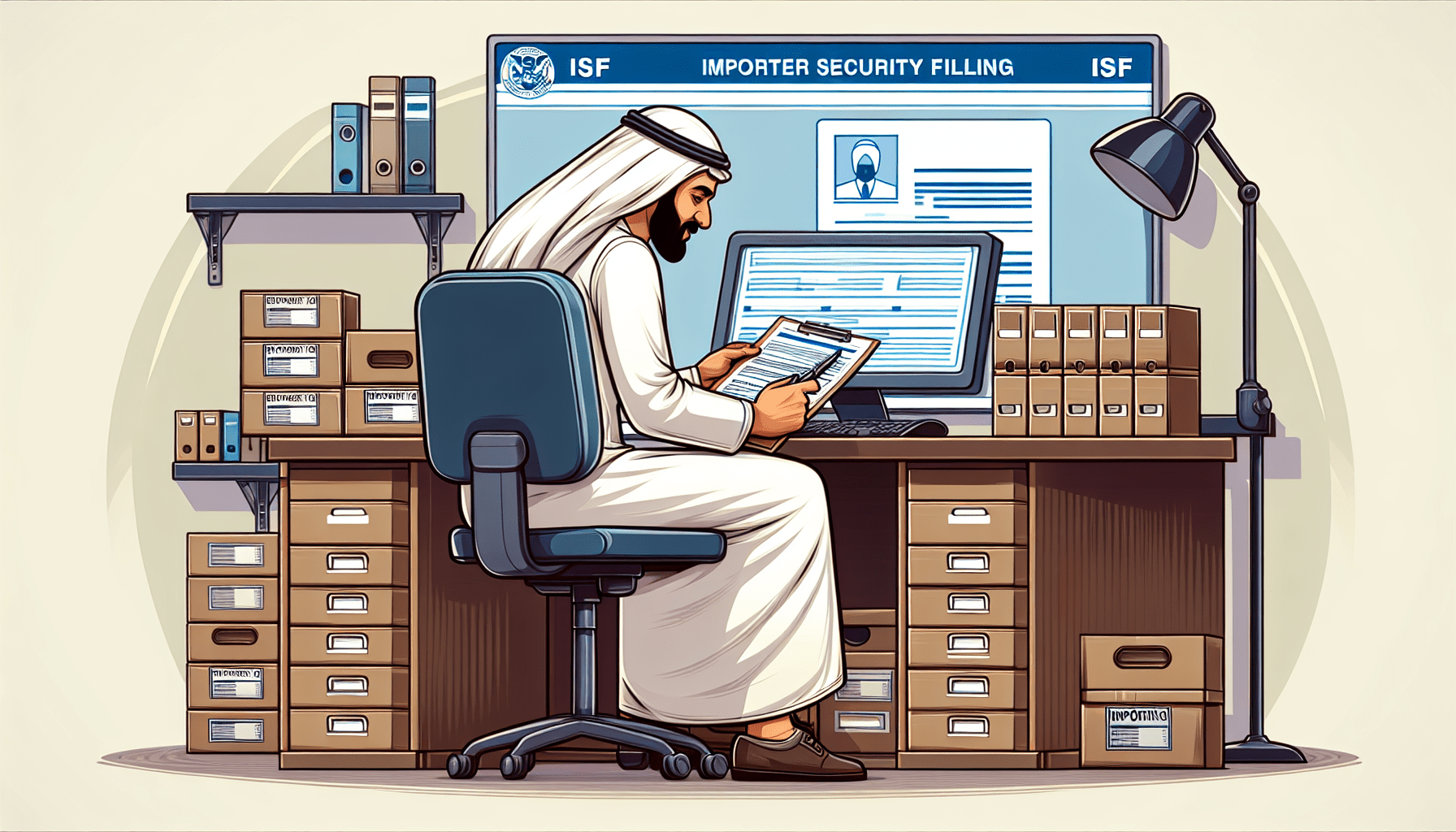
ISF, or Importer Security Filing, is a U.S. Customs and Border Protection (CBP) regulation that requires importers to provide specific information about their shipments before they arrive in the United States. This helps CBP assess the risk of each shipment and improve security measures.
Do Shelf Grip Liners Fall Under ISF Requirements?
Shelf grip liners are considered a type of household item and fall under the category of “liners” in the Harmonized Tariff Schedule (HTS). Since they are intended for household use, shelf grip liners are subject to ISF filing requirements when imported into the United States.

How to Properly File ISF for Shelf Grip Liners
Now that you know shelf grip liners are subject to ISF filing, it’s essential to understand how to do it correctly to avoid any delays or penalties. Let’s walk you through the process step by step.
Step 1: Obtain an Importer Number
Before you can file ISF for your shelf grip liners, you need to obtain an importer number from CBP. This number is assigned to you when you register with CBP as an importer. You can do this by completing and submitting a CBP Form 5106, also known as the Importer ID Input Record.
Step 2: Identify Your Manufacturer and Supplier
When filing ISF for shelf grip liners, you’ll need to provide information about the manufacturer and supplier of the product. Make sure you have their full names, addresses, and contact details handy when filling out the ISF form.
Step 3: Determine the HTS Classification of the Shelf Grip Liners
The Harmonized Tariff Schedule (HTS) is a system used to classify products for import and export purposes. It’s crucial to determine the correct HTS classification for your shelf grip liners to ensure accurate ISF filing. You can consult the HTS or seek assistance from a customs broker if you’re unsure about the classification.
Step 4: Submit the Required ISF Information
Now that you have all the necessary information, it’s time to submit the ISF filing for your shelf grip liners. This includes details such as:
- Importer of Record information
- Consignee information
- Manufacturer (or supplier) information
- Country of origin
- HTS classification of the product
- Container stuffing location
- Consolidator (if applicable)
- Shipping vessel name
- Port of lading
- ETA (Estimated Time of Arrival)
- Bill of Lading number
Step 5: Ensure Accuracy and Timeliness
Accuracy and timeliness are crucial when filing ISF for your shelf grip liners. Any errors or delays in submission can lead to penalties, shipment holds, or even seizure by CBP. Verify all information before submitting and make sure to file ISF at least 24 hours before the shipment leaves the foreign port.
Common Mistakes to Avoid When Filing ISF for Shelf Grip Liners
Filing ISF for shelf grip liners may seem straightforward, but there are some common mistakes that importers often make. Let’s go over these mistakes and how to avoid them.
Missing or Inaccurate Information
One of the most common mistakes when filing ISF is providing incomplete or incorrect information. Make sure to double-check all details, including importer information, supplier details, and product classification, to avoid any discrepancies.
Late Filing
Submitting ISF after the deadline can result in penalties and delays in customs clearance. Ensure you file ISF for your shelf grip liners at least 24 hours before the shipment departs from the foreign port to avoid any issues.
Incorrect HTS Classification
Choosing the wrong HTS classification for your shelf grip liners can lead to customs delays and potential fines. Take the time to accurately determine the correct classification or seek assistance from a customs broker if needed.
Understanding Additional Customs Requirements for Shelf Grip Liners
In addition to ISF filing, there are other customs requirements that you need to be aware of when importing shelf grip liners into the United States. Let’s discuss these requirements in more detail.
Anti-Dumping and Countervailing Duties
Shelf grip liners, like any other imported product, may be subject to anti-dumping and countervailing duties imposed by CBP. These duties are intended to offset unfair pricing practices by foreign manufacturers and protect domestic industries. Make sure to check if these duties apply to your shelf grip liners and factor them into your import costs.
Product Safety Regulations
Shelf grip liners intended for household use must comply with U.S. product safety regulations to ensure they are safe for consumers. This includes requirements set by agencies such as the Consumer Product Safety Commission (CPSC) and the Environmental Protection Agency (EPA). Verify that your shelf grip liners meet these regulatory standards before importing them.
Labeling and Packaging Requirements
Proper labeling and packaging are essential when importing shelf grip liners into the United States. Make sure your liners are labeled accurately with information such as product composition, country of origin, and care instructions. Additionally, ensure that the packaging is secure and meets customs requirements for shipping.
Hiring a Customs Broker for ISF Filing Assistance
If navigating the ISF filing process for shelf grip liners seems overwhelming, you may want to consider hiring a customs broker to assist you. Here are some reasons why working with a customs broker can be beneficial.
Expertise in Customs Regulations
Customs brokers are well-versed in import regulations and can help ensure your ISF filing for shelf grip liners is accurate and compliant. They can navigate complex customs requirements and help you avoid costly mistakes.
Time and Cost Savings
By outsourcing the ISF filing process to a customs broker, you can save time and resources that would otherwise be spent on research and paperwork. Customs brokers can streamline the filing process and help you avoid delays or penalties.
Personalized Assistance
Customs brokers provide personalized assistance tailored to your specific import needs. Whether you’re a first-time importer or a seasoned pro, a customs broker can offer guidance and support throughout the ISF filing process.

Conclusion
Filing ISF for shelf grip liners is an essential step in importing these products into the United States. By understanding the requirements, avoiding common mistakes, and meeting additional customs regulations, you can ensure a smooth and compliant import process. Whether you tackle the ISF filing yourself or enlist the help of a customs broker, proper preparation and attention to detail are key to successful importation of shelf grip liners.
Comments