
How to Properly Store Bottles and Jars
When it comes to storing bottles and jars, it’s essential to do it properly to ensure their longevity and safety. Whether you’re storing homemade jams, pickles, or even oils and spices, the way you store them can make a significant difference in how long they last and how well they maintain their quality. In this article, we’ll share some tips and tricks on how to properly store bottles and jars to keep your pantry organized and your ingredients fresh.
The Importance of Proper Storage
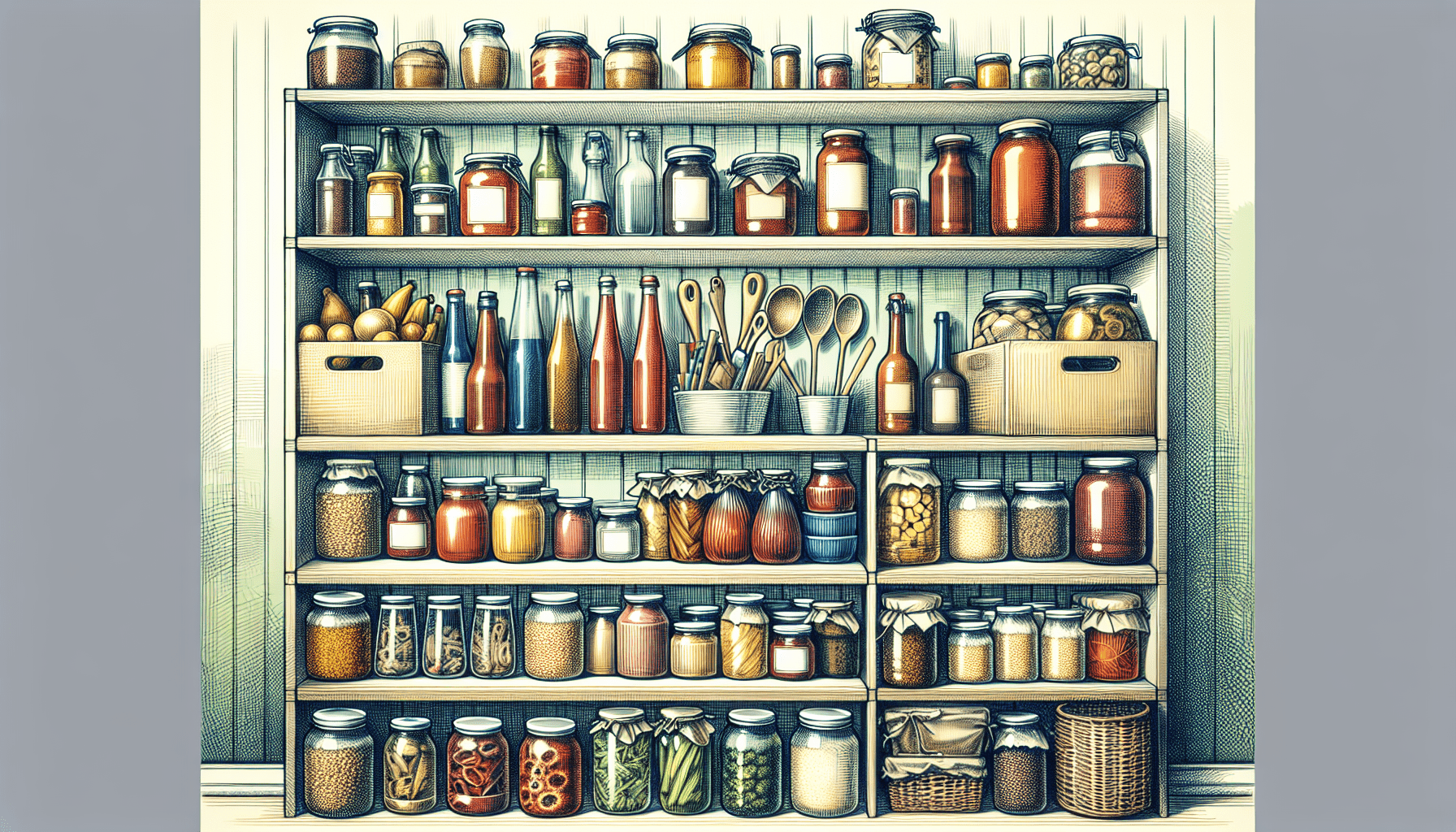
Properly storing your bottles and jars is crucial for maintaining the quality of the products inside. Whether it’s preserving the flavor of homemade jams and pickles or preventing oils and spices from going rancid, storing them correctly can extend their shelf life and keep them safe to consume. Improper storage can lead to contamination, spoilage, and even health risks, so taking the time to store your bottles and jars correctly is well worth the effort.
Benefits of Proper Storage
By storing your bottles and jars properly, you can enjoy the following benefits:
- Extend Shelf Life: Proper storage can help extend the shelf life of your products, allowing you to enjoy them for longer without worrying about spoilage.
- Maintain Flavor: Storing bottles and jars correctly can help preserve the flavor and freshness of the ingredients inside, ensuring that they taste as good as the day you made them.
- Prevent Contamination: Proper storage conditions can help prevent contamination and spoilage, keeping your ingredients safe to consume.
- Organize Pantry: Storing bottles and jars properly can help you keep your pantry organized and make it easier to find what you need when cooking or baking.
Risks of Improper Storage
On the other hand, improper storage can lead to the following risks:
- Spoilage: Incorrect storage conditions can cause your products to spoil prematurely, forcing you to throw them away.
- Contamination: Improperly stored bottles and jars are more susceptible to contamination, which can pose health risks if consumed.
- Loss of Flavor: Storing ingredients incorrectly can lead to a loss of flavor and freshness, making them less enjoyable to eat or use in recipes.
- Waste of Money: If bottles and jars are stored improperly and spoil, it can result in wasted money spent on ingredients that are no longer usable.
Storing Bottles and Jars Correctly
Now that you understand the importance of proper storage, let’s dive into some tips on how to store bottles and jars correctly. Whether you’re storing homemade preserves, oils, spices, or other ingredients, these guidelines will help you keep your pantry organized and your products fresh.
Glass vs. Plastic Containers
When it comes to storing bottles and jars, it’s essential to choose the right type of container. Glass containers are ideal for storing most ingredients, as they are non-reactive, durable, and do not absorb odors or flavors. Plastic containers are suitable for short-term storage or items that will be used quickly, but they may not be as durable or long-lasting as glass containers.
Proper Sealing
One of the most critical aspects of storing bottles and jars is ensuring that they are properly sealed. Airtight seals are essential for preventing spoilage, contamination, and loss of flavor. Make sure that the lids or caps on your containers are tightly sealed to keep out air, moisture, and other contaminants.
Labeling
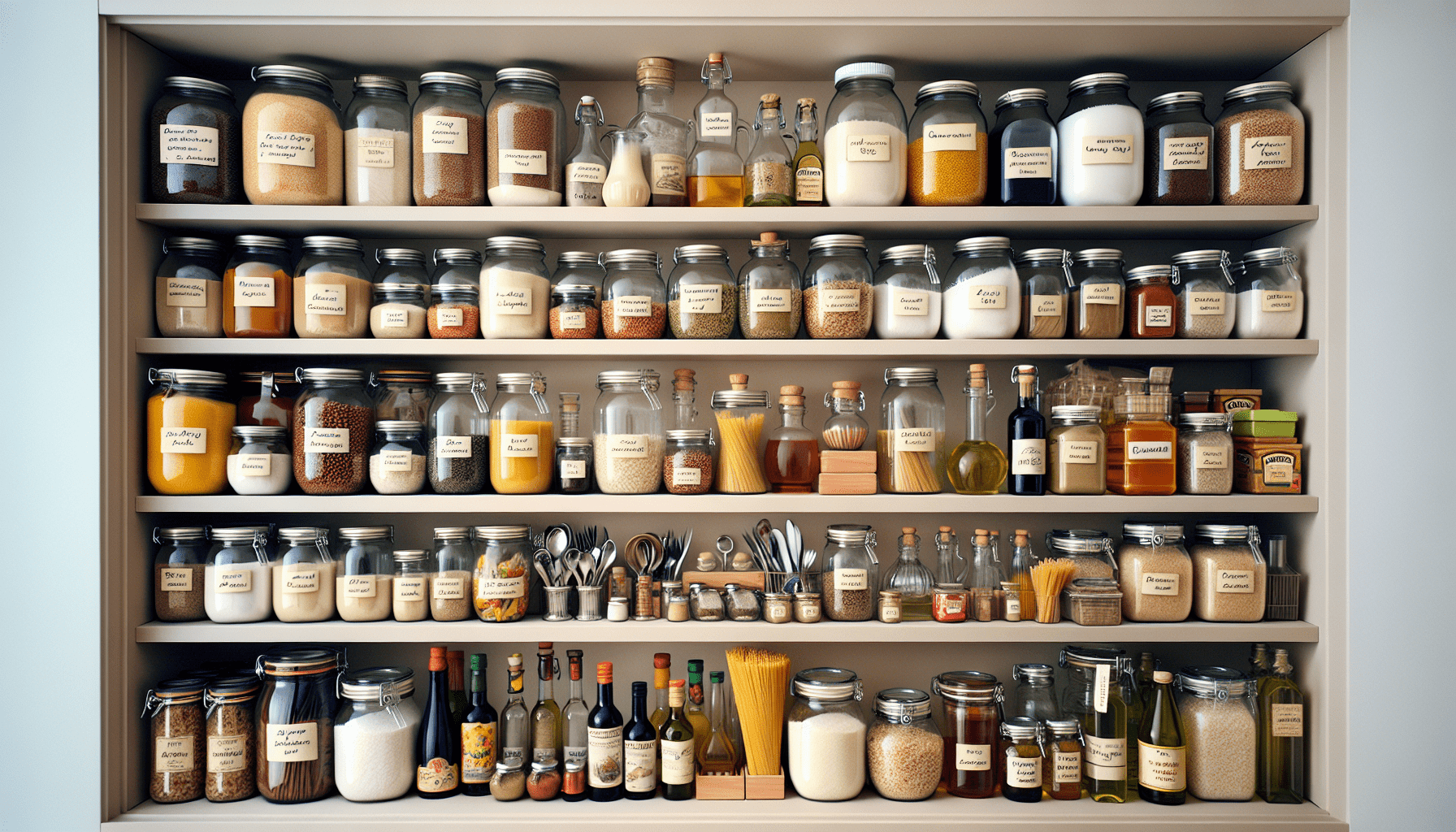
To keep your pantry organized and make it easier to find what you need, be sure to label your bottles and jars. Include the date the product was made or stored, as well as any other relevant information, such as ingredients or expiration dates. Labeling your containers can help you keep track of what you have, how long it’s been stored, and when to use it by.
Temperature and Light
Storing bottles and jars in the right conditions is essential for preserving their quality. Keep your containers in a cool, dark place away from direct sunlight and extreme temperatures. Heat, light, and humidity can all affect the shelf life and quality of your ingredients, so it’s essential to store them in a suitable environment.
Shelf Arrangement
Organizing your pantry shelves can make it easier to find what you need and prevent bottles and jars from getting lost or forgotten. Store similar items together, such as oils in one area, spices in another, and jams and pickles in a separate section. This way, you can easily locate the ingredients you need when cooking or baking.
Rotation
To ensure that your ingredients stay fresh and don’t go to waste, practice rotation when storing bottles and jars. Use older items first before moving on to newer ones, so you can enjoy your products at their peak freshness. This will help prevent spoilage and ensure that nothing gets lost in the back of the pantry.
Specific Storage Tips for Different Ingredients
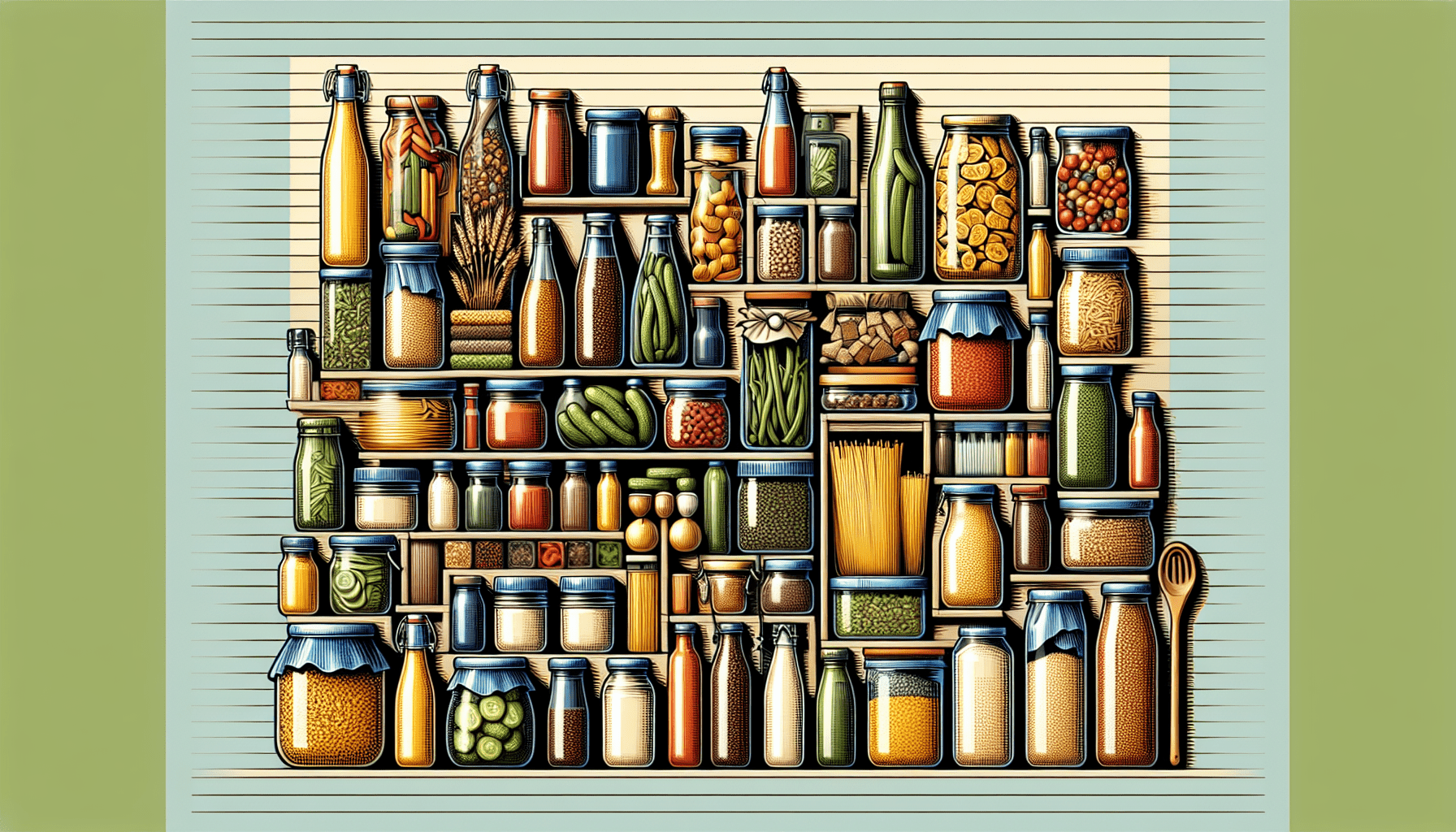
Different ingredients require different storage conditions to maintain their quality and freshness. Here are some specific storage tips for storing various types of bottles and jars:
Oils
- Cool, Dark Place: Store oils in a cool, dark place away from heat and light, such as a pantry or cupboard.
- Sealed Bottles: Keep oils in tightly sealed bottles to prevent oxidation and rancidity.
- Avoid Direct Sunlight: Exposure to sunlight can cause oils to go rancid, so keep them away from windows or other sources of light.
Spices
- Airtight Containers: Store spices in airtight containers to maintain their flavor and aroma.
- Cool, Dry Place: Keep spices in a cool, dry place to prevent moisture and humidity, which can cause them to clump or lose potency.
- Avoid Heat: Heat can degrade the flavor of spices, so avoid storing them near heat sources like stoves or ovens.
Jams and Preserves
- Refrigeration: Once opened, store jams and preserves in the refrigerator to maintain freshness and prevent spoilage.
- Sealed Jars: Make sure jars are tightly sealed to prevent air from entering and causing mold or spoilage.
- Check Expiration Dates: Be aware of the expiration dates on jams and preserves, and discard any that are beyond their recommended shelf life.
Conclusion
Properly storing bottles and jars is essential for maintaining the quality, freshness, and safety of your ingredients. By following the tips and guidelines outlined in this article, you can keep your pantry organized, your products fresh, and your meals delicious. Whether you’re storing oils, spices, jams, or other ingredients, the key is to store them in suitable conditions, use airtight containers, and practice rotation to ensure nothing goes to waste. With a little care and attention, you can enjoy your homemade and store-bought products for longer and make the most of your pantry supplies.
Comments